Many years experience spring manufacturer

Navigating the Nuances of Variable Cross-Section: Key Considerations
2025-01-18
Understanding Variable Cross-Section
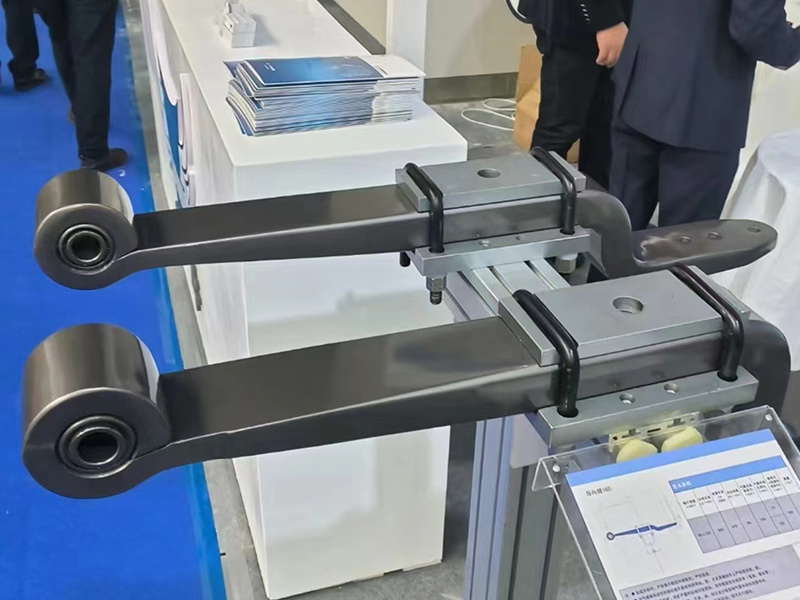
When it comes to engineering, architecture, or any field dealing with design, the term variable cross-section often pops up. But what does it really mean? Simply put, it refers to a design where the cross-sectional area changes along its length. Think of it like a snowman—each section can vary in width and height, influencing stability, weight distribution, and overall aesthetics.
Why the Fuss About Variable Cross-Section?
So, why should you care about variable cross-section? Well, let me tell ya, it plays a critical role in optimizing materials and enhancing performance. When engineers design structures, they often aim for efficiency and effectiveness, and that’s where variable cross-section comes into play. By customizing the cross-section, you can minimize material usage while maximizing strength. It’s a win-win!
Key Considerations for Variable Cross-Sections
Alright, let’s dive into some important factors to consider when working with variable cross-section designs:
1. Load Distribution
One of the first things to think about is how loads will be distributed across the structure. With a variable cross-section, you can tailor the design to handle specific loads more effectively. However, be cautious! Misjudging this aspect could lead to structural failures.
2. Material Selection
Choosing the right materials is crucial. Different materials behave differently under stress, and when you’re dealing with varying cross-sections, this can impact the overall performance. Stronger materials may be required in some sections to maintain integrity where needed.
3. Manufacturing Considerations
Don’t forget about the manufacturing process! Variable cross-section designs can complicate production. It’s essential to work closely with manufacturers to ensure that your design can be produced efficiently and accurately. You don’t want to end up with a beautiful design that’s impossible to build!
4. Aesthetic Appeal
Let’s not ignore the visual aspect. A well-designed variable cross-section can enhance the overall aesthetic of a structure. Whether it’s a bridge or a building, unique shapes can create stunning visual elements that catch the eye. Make sure to balance functionality with beauty!
Common Pitfalls to Avoid
Now that we've covered the basics, let’s chat about some common pitfalls:
1. Overcomplicating Designs
While it’s tempting to go all out with intricate designs, simplicity often reigns supreme. Overly complex variable cross-section designs can lead to confusion during both the design and construction phases.
2. Ignoring Regulations
Regulations and codes are there for a reason! Ignoring them can lead to serious repercussions. Always ensure that your variable cross-section designs comply with local codes and standards.
3. Skipping Testing
Finally, never skip the testing phase! Before finalizing your design, conducting tests to assess performance under various conditions is essential. This can save you from costly mistakes down the line.
Conclusion
In summary, the concept of variable cross-section is not just a technical term; it's a gateway to innovative designs that can optimize performance and aesthetics. By keeping the considerations and pitfalls in mind, you can navigate this fascinating aspect of design with confidence. So, roll up your sleeves and get creative!
Key words:
Contact Us
E-mail:
lfjcbh@126.com
Address:
Dacheng County, Langfang City, Hebei Province

Contact: Manager Li


online message