Many years experience spring manufacturer

Navigating the Waters of Variable Cross-Section: Industry Insights
2025-01-19
Understanding Variable Cross-Section
Ever heard the term Variable Cross-Section? If not, you’re in for a treat! This concept plays a pivotal role in a variety of sectors, from engineering to environmental science. As industries evolve and adapt, understanding the nuances of variable cross-section becomes crucial.
The Basics of Variable Cross-Section
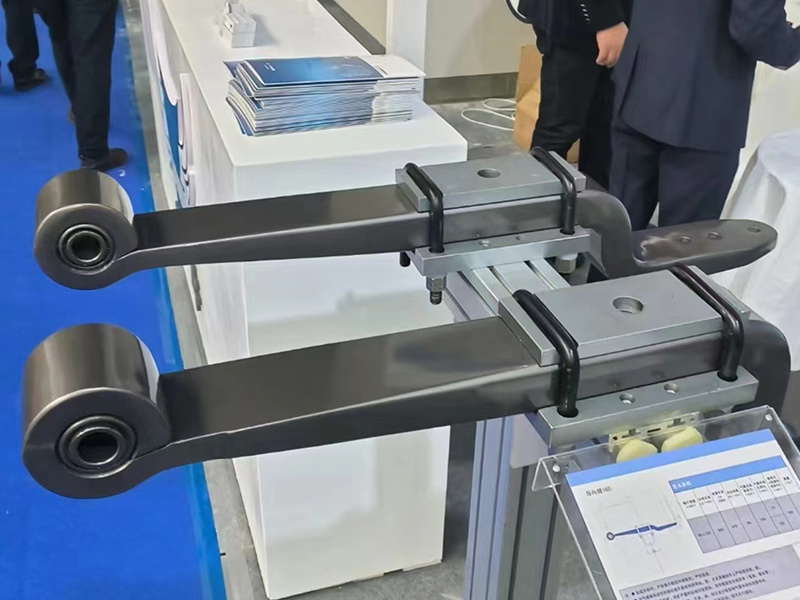
So, what exactly is it? Simply put, a Variable Cross-Section refers to a shape or profile that changes dimensions at different points along its length. Think of it like a river that widens and narrows as it flows; the cross-section of the river varies! In engineering, this could mean the design of a beam or a pipe where the diameter isn’t uniform throughout.
Why It Matters
Why should we care about variable cross-section? Well, in industries like construction and manufacturing, materials can be used more efficiently, saving both time and money. Moreover, this adaptability can enhance strength and durability. It’s like having a Swiss Army knife instead of a basic pocket knife—more options lead to better outcomes!
Industry Case Studies
Now that we’ve got the basics down, let’s dive into some industry-specific examples where Variable Cross-Section is a game-changer.
1. Aerospace Engineering
In the aerospace sector, variable cross-sections are used extensively in wing design. The wings of an aircraft aren’t just flat surfaces; they taper and change shape to optimize aerodynamics. This design not only enhances fuel efficiency but also improves overall flight performance. Talk about taking flight to a whole new level!
2. Civil Engineering
Let’s switch gears to civil engineering. Bridges often utilize variable cross-section designs to manage different loads effectively. For instance, a bridge might be wider at the center to accommodate heavier vehicles while tapering off at the ends. This strategic design reduces material costs while ensuring safety—talk about a win-win!
3. Environmental Applications
But it’s not just about buildings and airplanes. In environmental engineering, the concept of variable cross-section is crucial for managing waterways. Designers can create channels that adjust width and depth to control flow rates and reduce flooding risks. This approach helps protect ecosystems while also safeguarding communities.
Real-World Benefits
So what does all this mean for industries? The real-world benefits of adopting variable cross-section designs are plentiful. They lead to less waste, lower costs, and improved performance. In many cases, it’s about maximizing efficiency—because let’s face it, who doesn’t want to get more bang for their buck?
The Future is Here!
The future looks bright for variable cross-section designs. With advances in technology, such as 3D printing and computer-aided design (CAD), the ability to create complex shapes is easier than ever. Industries are likely to see a surge in innovative applications, pushing the boundaries of what’s possible.
Final Thoughts
In conclusion, whether we’re talking about planes soaring through the sky or bridges spanning rivers, the concept of Variable Cross-Section proves to be a critical aspect of modern design. So next time you spot a uniquely shaped structure or a sleek aircraft, remember the science and strategy behind those curves and angles!
Key words:
Previous Page:
Contact Us
E-mail:
lfjcbh@126.com
Address:
Dacheng County, Langfang City, Hebei Province

Contact: Manager Li


online message