Many years experience spring manufacturer

Understanding Variable Cross-Section: Your Go-To Guide for Common Questions
2025-01-18
What is Variable Cross-Section?
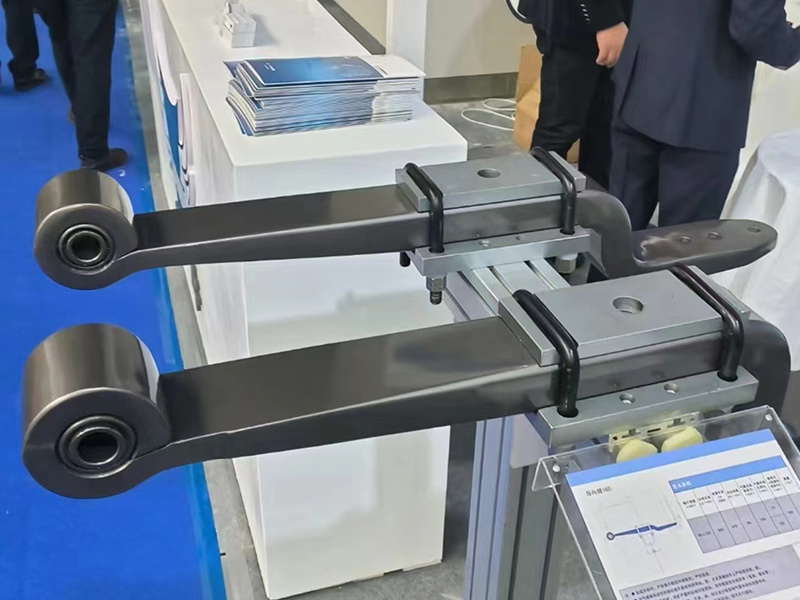
So, you’ve stumbled upon the term Variable Cross-Section, huh? Well, you’re in for quite the ride! In the simplest terms, a variable cross-section refers to a shape or object that changes its dimensions across its length. Think of it like a tapered pencil: it’s wider at one end and slimmer at the other. This concept finds its way into various fields, from engineering to physics, and even in art!
Why Should You Care?
Now, you might be wondering, “Why does it even matter?” Good question! Understanding variable cross-sections is crucial when you’re dealing with materials that need to bear loads or withstand forces. For instance, in civil engineering, beams with variable cross-sections can save weight while maintaining strength. Talk about a win-win!
Common Questions About Variable Cross-Section
Let’s tackle some of the burning questions folks often have about this fascinating topic.
1. What Are the Applications?
Ah, the applications! They’re as varied as the shapes themselves. Variable cross-sections are used in:
- Architecture: Think of fancy roofs or unique bridges that need to distribute weight differently.
- Aerospace: Airfoils often have variable cross-sections for better aerodynamic efficiency.
- Automotive Design: Car chassis might use variable cross-sections to maximize strength while minimizing weight.
2. How Do You Calculate It?
Calculating the properties of a variable cross-section can seem daunting, but fear not! The key lies in breaking it down into smaller sections. You’ll want to:
- Identify the shape of each section.
- Calculate the area and moment of inertia for each section.
- Add them up for the entire object!
Easy peasy, right?
3. What Are the Challenges?
Alright, let’s not sugarcoat it—working with variable cross-sections isn’t all sunshine and rainbows. Challenges include:
- Complex Calculations: The more complex the shape, the trickier the math.
- Material Behavior: Different materials react differently under loads, adding another layer of complexity.
But hey, every challenge is an opportunity in disguise!
4. Tips for Beginners
If you’re just diving into the world of variable cross-sections, here are a few tips to keep in your back pocket:
- Start Simple: Begin with basic shapes before moving on to more complex designs.
- Use Software: Don’t hesitate to use CAD programs—they can simplify your calculations and designs.
- Ask Questions: Never be shy about seeking help. Forums and communities are great resources!
Wrapping It Up
In a nutshell, understanding variable cross-section can open up a whole new world in design and engineering. Whether you’re designing a bridge or crafting an art piece, embracing the variability of shapes is key. So, roll up your sleeves and get creative—after all, the sky's the limit!
Key words:
Contact Us
E-mail:
lfjcbh@126.com
Address:
Dacheng County, Langfang City, Hebei Province

Contact: Manager Li


online message