Many years experience spring manufacturer

Navigating the Intrigacies of Variable Cross-Section: A Deep Dive into Its Working Principle
2025-01-17
Understanding the Variable Cross-Section
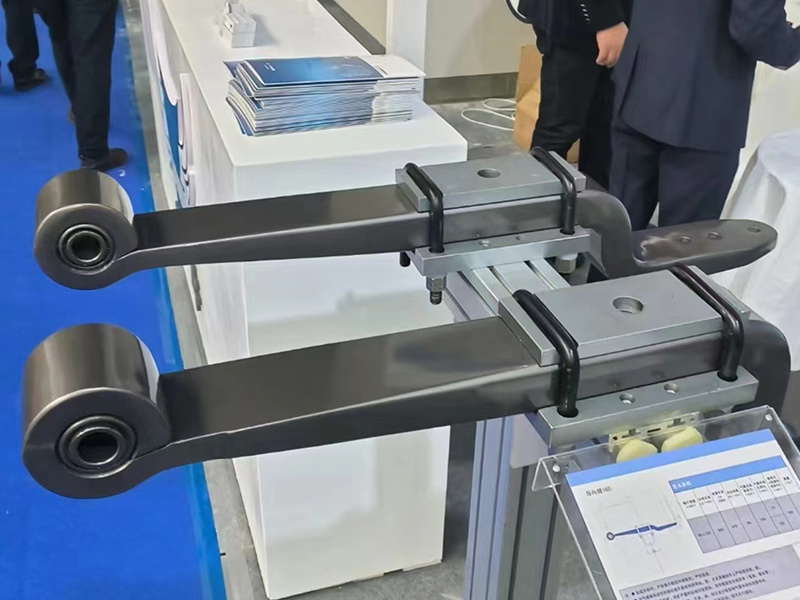
Ah, the variable cross-section! It sounds technical, doesn’t it? But don’t fret; we’re here to unravel this engineering marvel, one layer at a time. In the simplest terms, a variable cross-section refers to a shape whose cross-sectional area changes along its length. Think of it like a tapering candle; the base is wider, and it narrows down as it reaches the top. This concept is not only intriguing but also essential in various fields, from aerospace engineering to civil construction.
The Mechanics Behind It
So, how does it really work? The working principle of variable cross-section revolves around optimizing the distribution of forces along a structure. By varying the cross-section, engineers can manage stress and strain more effectively. For instance, when designing a beam, a wider section at the base can bear heavier loads, while a narrower section at the top minimizes material use and weight. It’s like wearing a pair of shoes that are snug at the ankle but roomy at the toes—comfort meets functionality!
Applications in Engineering
Now, let’s get to the juicy part—where is this variable cross-section applied? Buckle up, because it's a wild ride! In aerospace, aircraft wings are often designed with a variable cross-section to enhance lift and reduce drag. This design allows for better performance during different phases of flight, such as takeoff and landing. Similarly, in civil engineering, variable cross-sections are used in bridge designs to ensure that weight is distributed evenly, preventing structural failures. Talk about smart design!
Benefits of Variable Cross-Section
Alright, let’s break down the perks! First off, efficiency is the name of the game. By utilizing a variable cross-section, designers can significantly reduce material costs while maintaining structural integrity. Moreover, this approach can lead to lighter structures, which is a major plus in fields where every ounce counts, like aerospace. Plus, there’s the aesthetic appeal—modern designs often feature sleek, streamlined shapes that just look good! Who doesn’t appreciate a little eye candy?
Challenges to Consider
Of course, it’s not all sunshine and rainbows. Implementing a variable cross-section can come with its own set of challenges. For one, the complexity of the design increases. Engineers must carefully calculate load distributions, which requires advanced software and modeling techniques. Additionally, manufacturing processes need to adapt to these variable shapes, which can complicate production and increase costs. But hey, nothing worth having comes easy, right?
The Future of Variable Cross-Section
As we look ahead, the potential for variable cross-section designs seems boundless. With advancements in materials science and computational design, we can expect to see even more innovative applications. Imagine structures that adapt to their environment or even self-healing materials that respond to stress—sounds like something out of a sci-fi movie, doesn’t it? But the truth is, the future isn’t as far-fetched as it seems.
Conclusion: Embracing Change
In the grand scheme of things, the variable cross-section is a testament to human ingenuity. It showcases how we can adapt and innovate to meet the challenges of modern engineering. So, the next time you encounter a structure with a variable cross-section, remember the thought and precision that went into its design. It’s a small yet significant piece of the puzzle that makes our world functional and beautiful.
Key words:
Contact Us
E-mail:
lfjcbh@126.com
Address:
Dacheng County, Langfang City, Hebei Province

Contact: Manager Li


online message